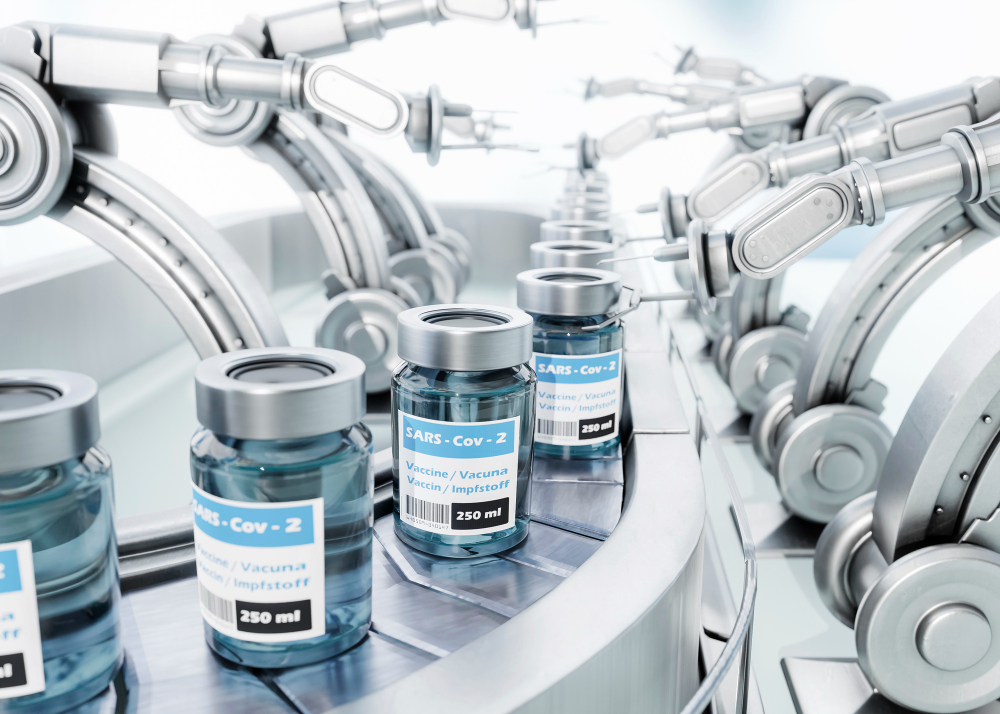
Injectable manufacturing leaves no margin for error. Unlike solid or oral dosage forms, parenteral products bypass the body’s natural defenses, placing absolute reliance on the facility, systems, and controls that protect sterility. In this environment, facility design is not simply an engineering exercise—it is a core quality attribute.
Well-designed injectable facilities translate regulatory expectations into physical controls that safeguard product integrity throughout the manufacturing lifecycle.
Why Injectable Facility Design Is Uniquely Critical
Injectable facilities must comply with some of the most stringent regulatory requirements globally, including EU GMP Annex 1, US FDA aseptic processing guidelines and WHO GMP. These regulations demand not only compliance on paper, but demonstrable control through design.
Key challenges include:
- Always maintaining aseptic conditions
- Preventing microbial and particulate contamination
- Managing high personnel and material sensitivity
- Managing high personnel and material sensitivity
Design decisions directly influence inspection outcomes, operational efficiency, and patient safety.
Core Best Practices in Injectable Facility Design
1. Risk-Based Zoning & Area Segregation
Injectable facilities must be structured around contamination risk. Clear segregation of Grade A, B, C, and D areas is fundamental.
Best practices include:
- Logical placement of critical processing zones
- Dedicated airlocks and pressure cascades
- Physical separation of aseptic and non-aseptic operations
Zoning should always support unidirectional flow and contamination containment.
2.Controlled Personnel & Material Flow
Poor flow design is a leading c...
Injectable manufacturing leaves no margin for error. Unlike solid or oral dosage forms, parenteral products bypass the body’s natural defenses, placing absolute reliance on the facility, systems, and controls that protect sterility. In this environment, facility design is not simply an engineering exercise—it is a core quality attribute.
Well-designed injectable facilities translate regulatory expectations into physical controls that safeguard product integrity throughout the manufacturing lifecycle.
Why Injectable Facility Design Is Uniquely Critical
Injectable facilities must comply with some of the most stringent regulatory requirements globally, including EU GMP Annex 1, US FDA aseptic processing guidelines and WHO GMP. These regulations demand not only compliance on paper, but demonstrable control through design.
Key challenges include:
- Always maintaining aseptic conditions
- Preventing microbial and particulate contamination
- Managing high personnel and material sensitivity
- Managing high personnel and material sensitivity
Design decisions directly influence inspection outcomes, operational efficiency, and patient safety.
Core Best Practices in Injectable Facility Design
1. Risk-Based Zoning & Area Segregation
Injectable facilities must be structured around contamination risk. Clear segregation of Grade A, B, C, and D areas is fundamental.
Best practices include:
- Logical placement of critical processing zones
- Dedicated airlocks and pressure cascades
- Physical separation of aseptic and non-aseptic operations
Zoning should always support unidirectional flow and contamination containment.
2.Controlled Personnel & Material Flow
Poor flow design is a leading cause of contamination risk. Best practice layouts ensure:
- Separate entry and exit pathways
- Sequential gowning and degowning
- Dedicated material transfer systems
Human movement must be controlled by design, not SOPs alone.
3.HVAC Design for Aseptic Control
HVAC systems are central to injectable facility performance. Effective designs include:
- HEPA-filtered unidirectional airflow in Grade A areas
- Pressure differentials to protect critical zones
- Redundancy and monitoring for continuous control
Airflow visualization and qualification should be integral to design validation.
4.Barrier Systems & Automation
Modern injectable facilities increasingly rely on:
- Restricted Access Barrier Systems (RABS)
- Isolators for enhanced sterility assurance
- Automation to reduce human intervention
Barrier technologies significantly lower contamination risk when properly integrated.
5.Material & Finish Selection
All surfaces must support cleanability and disinfection. Best practices include:
- Seamless, non-shedding finishes
- Chemical-resistant materials
- Minimal ledges and joints
Design simplicity enhances both compliance and maintenance.
6.Utility System Design
Critical utilities such as WFI, clean steam, compressed gases, and vacuum must be:
- Designed for hygienic distribution
- Easy to sanitize and validate
- Segregated where risk demands
Utility failures directly impact sterility assurance.
7. Environmental Monitoring & Compliance Readiness
Injectable facilities should be designed with monitoring in mind:
- Optimized locations for viable and non-viable monitoring
- Accessibility without compromising asepsis
- Integration with digital data systems
Monitoring must validate design effectiveness, not compensate for weaknesses.
Designing for Annexe 1 and Future Expectations
Annex 1 emphasizes Contamination Control Strategy (CCS), requiring facilities to demonstrate holistic contamination risk management. Best-practice designs:
- Integrate CCS into layout and systems
- Support ongoing risk assessments
- Enable continuous improvement
Designing to minimum compliance is no longer sufficient.
Role of Specialized Engineering Consultants
Injectable facility design demands cross-disciplinary expertise in process, HVAC, utilities, QA, and validation. Experienced consultants translate regulatory intent into practical engineering solutions that withstand inspections and operational realities.
Conclusion
Injectable facility design is a critical determinant of sterility assurance, compliance success, and operational reliability. By embedding best practices into layout, systems, and workflows, manufacturers can create facilities that consistently protect product quality while remaining adaptable to future regulatory and market demands.
Well-engineered injectable facilities don’t just meet regulations—they embody them.